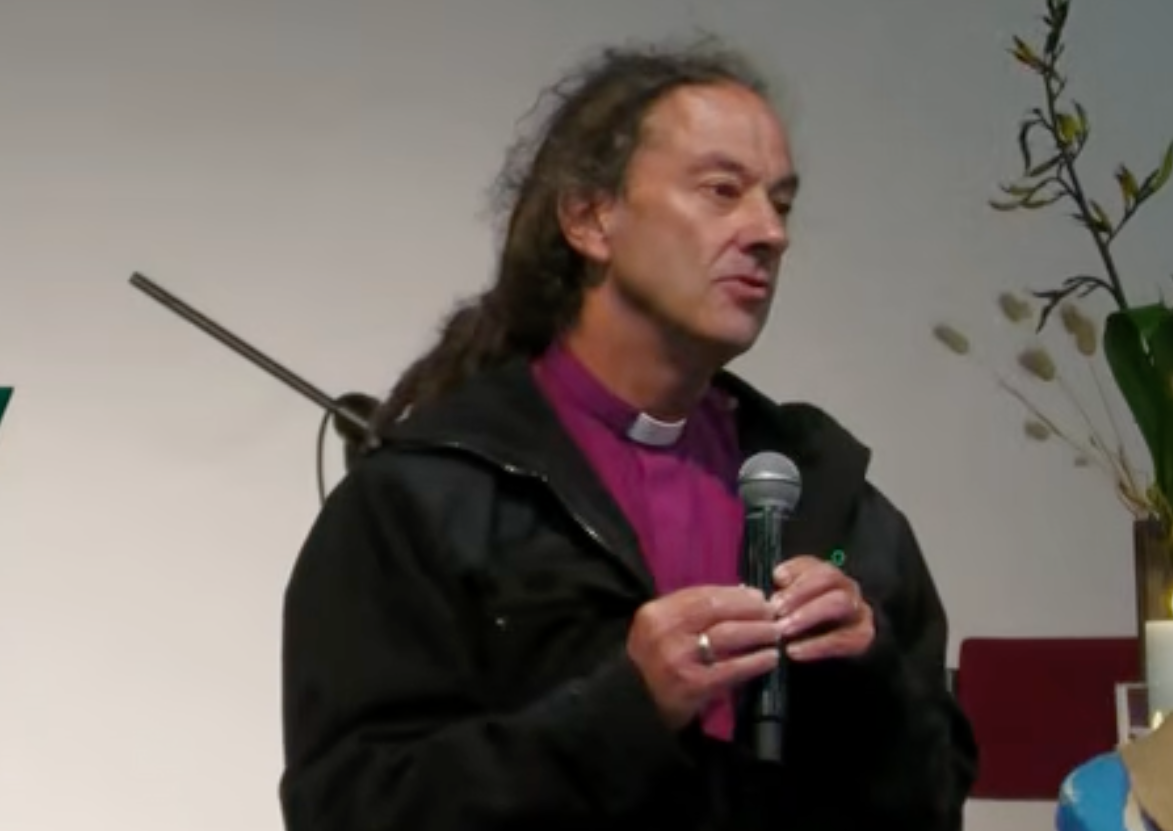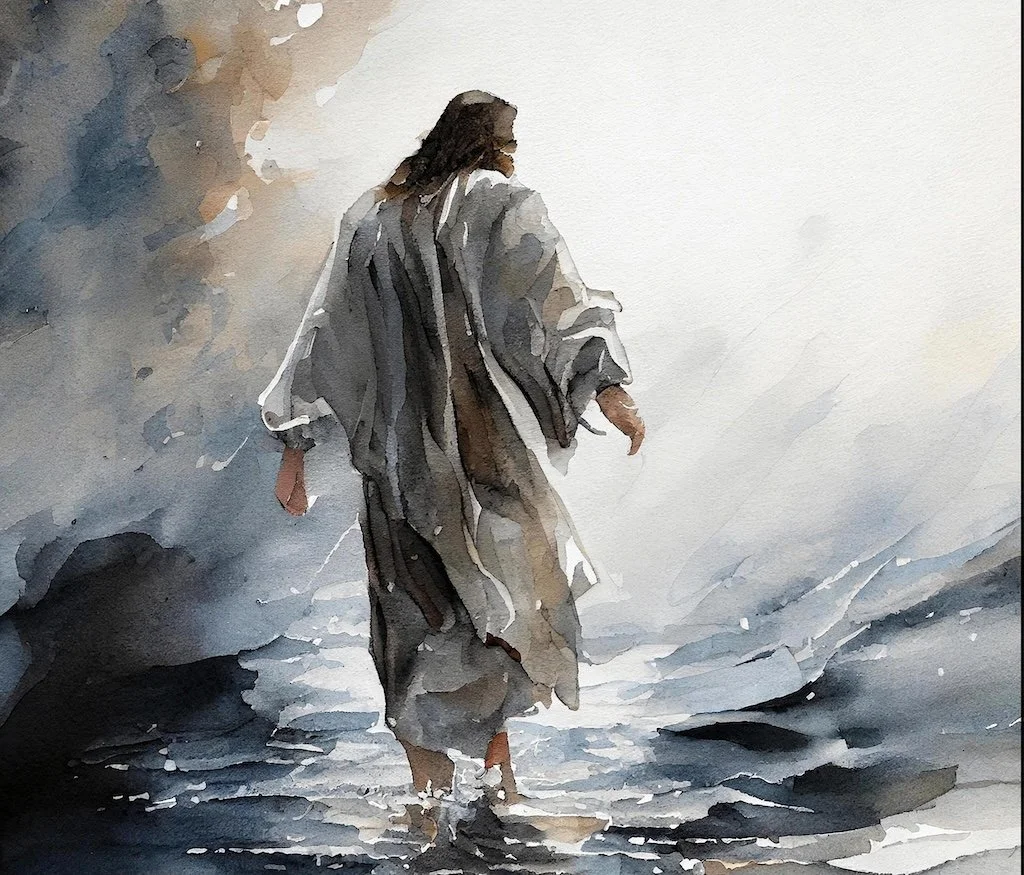


"It's really clear that God says we walk through the valley of the shadow of death. There's no escaping that in the psalm, but as we walk through the valley, we find still waters and green pastures. You have to go through the valley. There is no choice, but in the valley is the provision and the grace." - Bishop Justin Duckworth
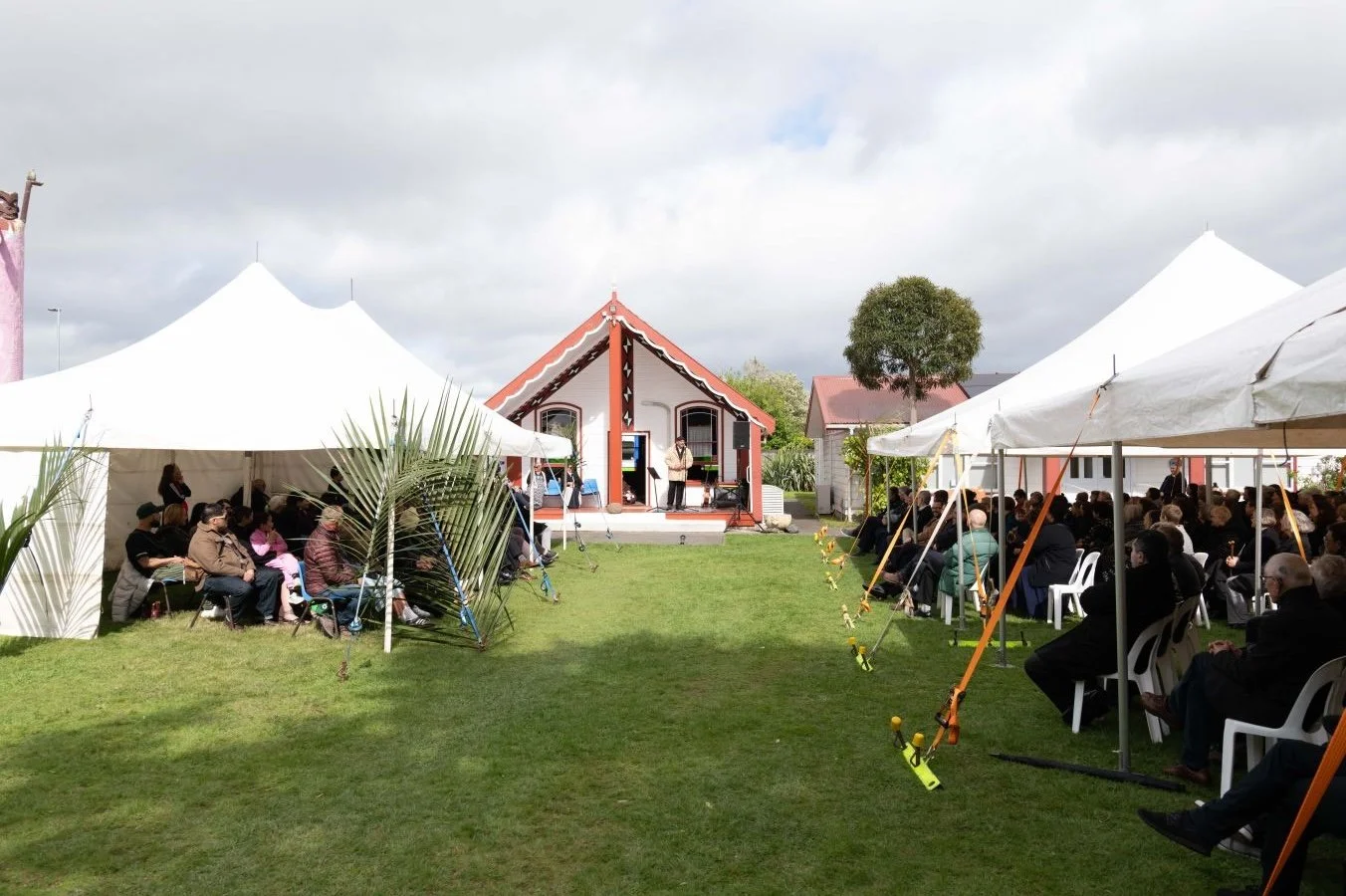
On Saturday 17 October, Synod members, clergy and bishops of the Diocese of Wellington were welcomed onto Whakarongotai Marae in Waikanae by Ngāti Toa Rangatira and Ngā Uri o Wī Parata, the descendants of Wīremu Parata Te Kākākura Waipunaahau. The visit signified the beginnings of a fresh relationship with the Parata whānau and Ngāti Toa Rangatira.
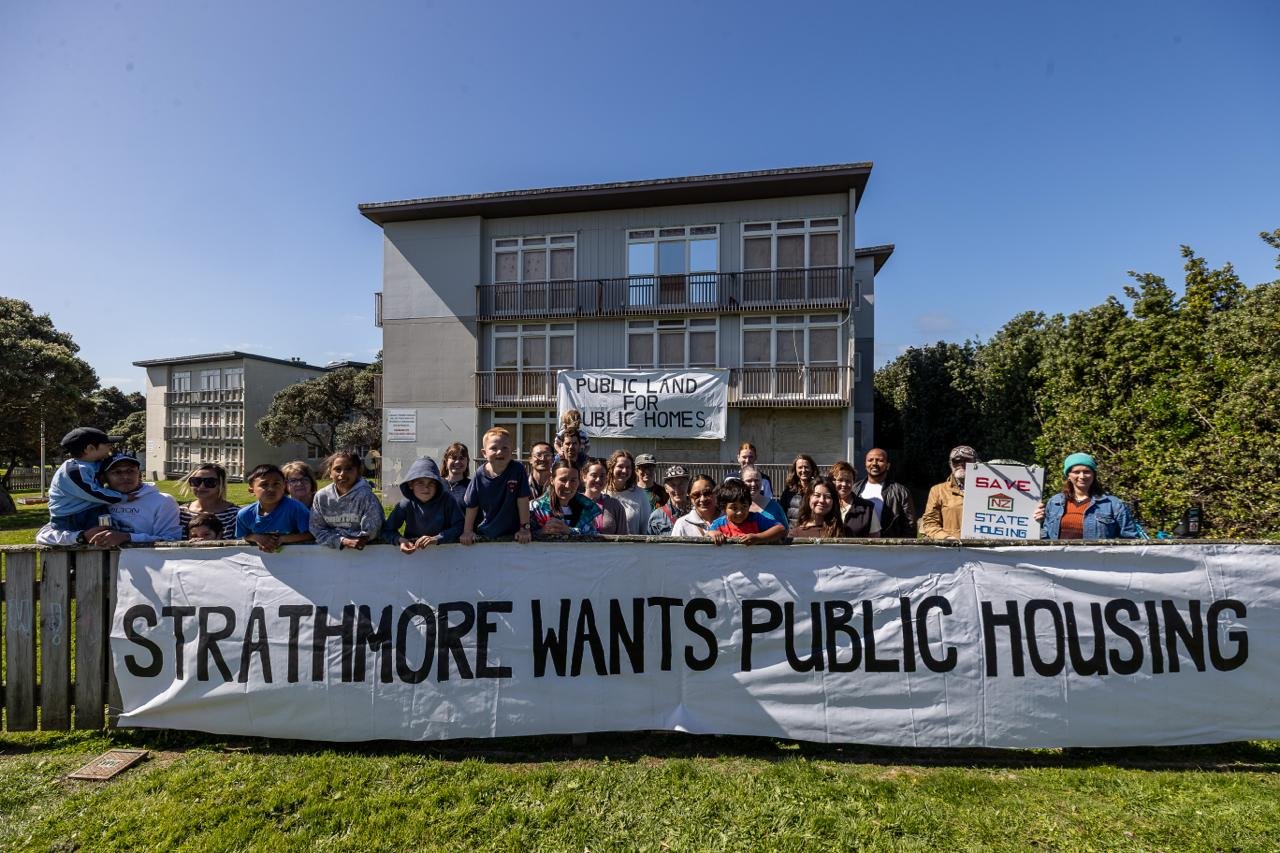
As the sun set over Strathmore on Sunday 4 October, around 15 people gathered on the Kāinga Ora site on Nuku Street to pray for justice and hope.
How do you celebrate the life of someone who died 800 years ago and, yet, still influences the world today?
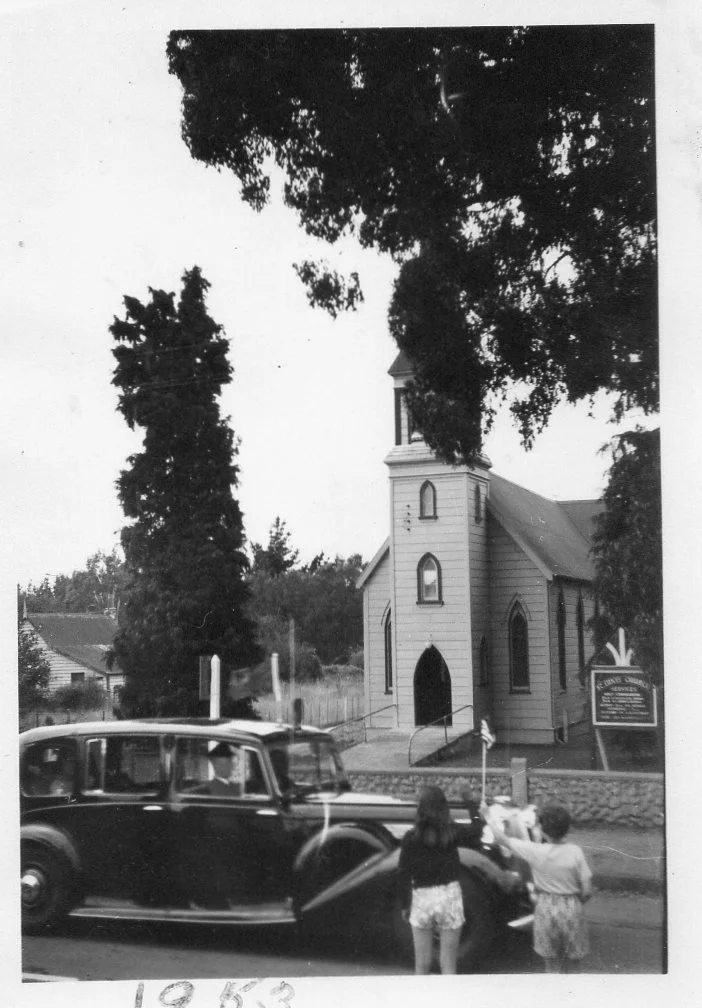
For more than a decade, St Christopher’s Tawa has hosted a children’s holiday programme during the first week of the September/October school holidays. This year, with the church building under reconstruction, the programme simply moved down the road.
Celebrate the 150th Anniversary of All Saints’ Anglican Church in Foxton on Sunday November 1st.
Join St Luke’s Greytown as we celebrate 150 years since the consecration of the original church in 1876.
A seminar hosted by the Anglican Pacifist Fellowship to consider current world issues and Christian peace-making responses and resources.
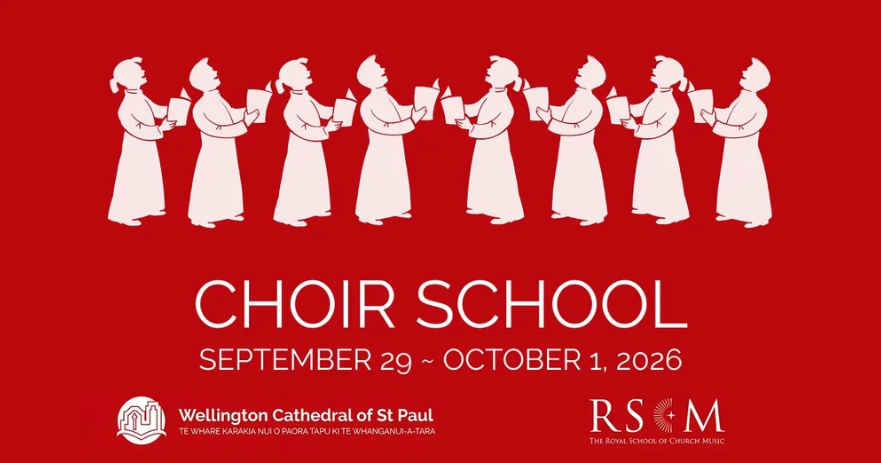
Love to sing? The RSCM and Wellington Cathedral of St Paul is offering a Three-day holiday program just for you!
Make new friends, learn new music, and improve your singing skills with one of New Zealand’s foremost choral directors.
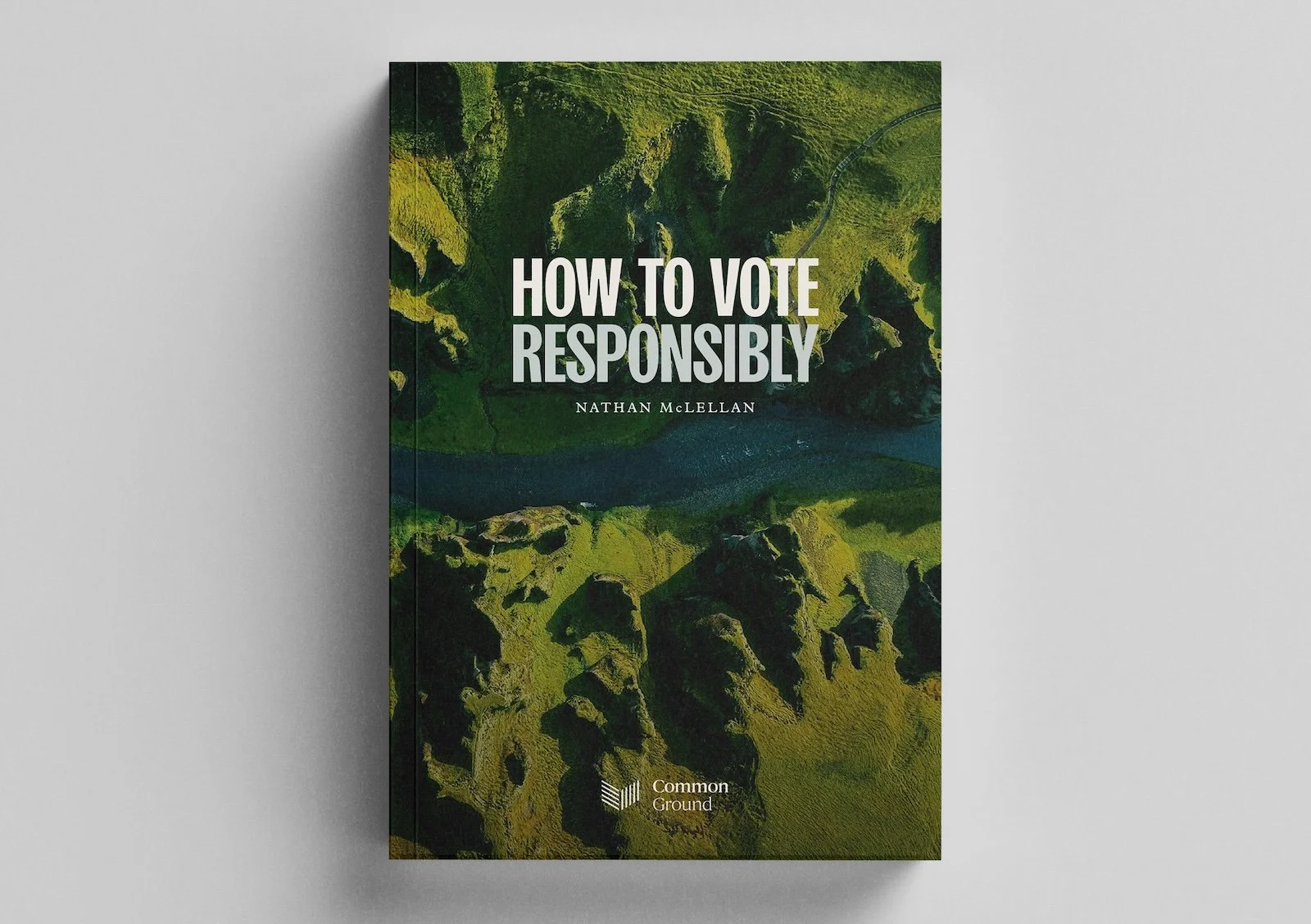
Venn has released a new book ahead of this year’s election that offers thoughtful and practical non-partisan counsel about how to seek the common good of Aotearoa as we vote.