

Rural ministry challenges and opportunities shared at global conference
The realities of rural ministry in Aotearoa New Zealand were reflected in conversations with church leaders from around the world when Reverend Alison Seifert attended the International Rural Churches Association (IRCA) Conference in Romania in July.
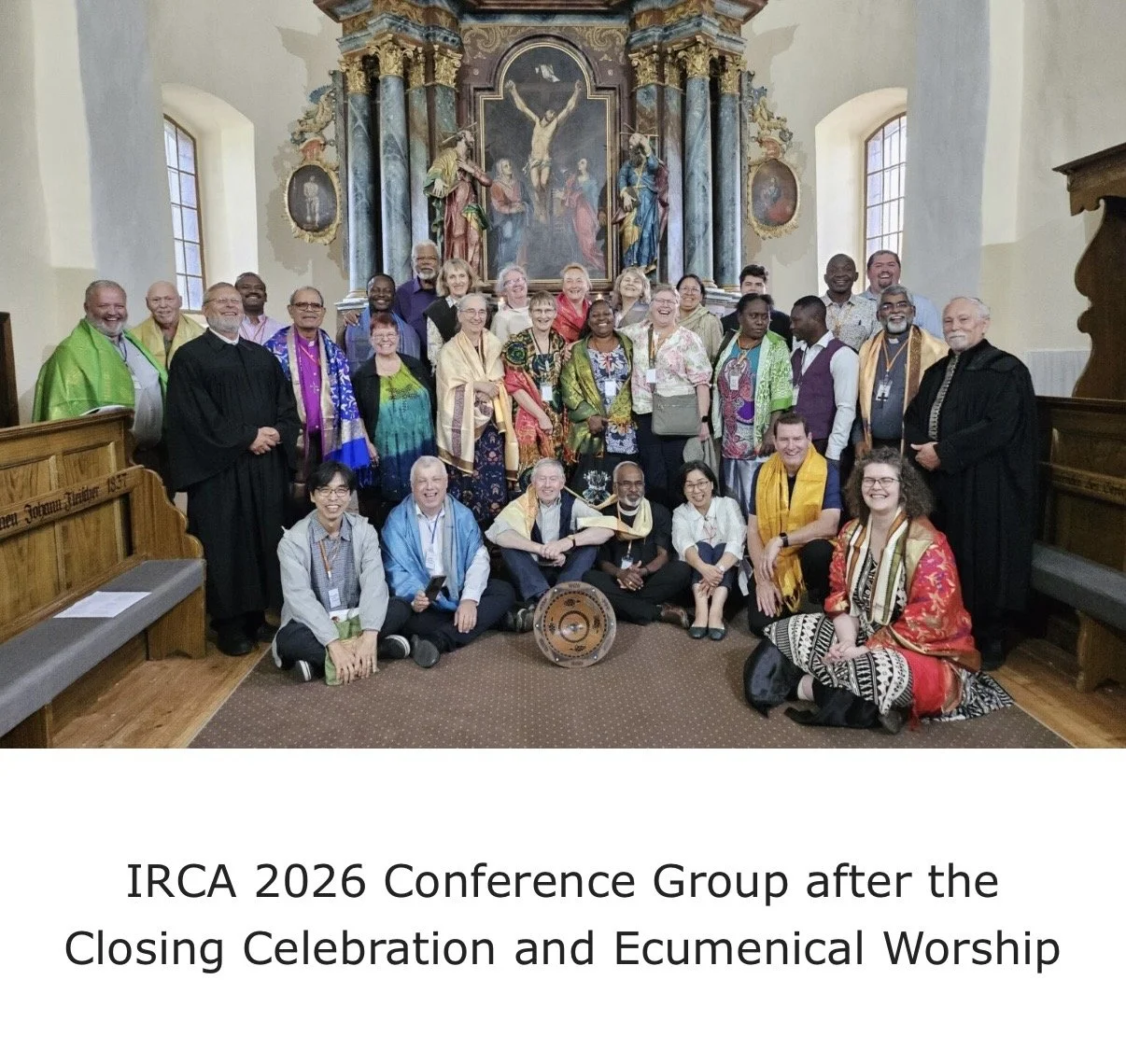
Held at the Evangelical Academy of Transylvania in Sibiu, the conference brought together people from a wide range of countries, cultures and church traditions to explore the theme Roots, Faith and Identity: People and Communities Living on the Land.
For Alison, one of the strongest impressions was how many challenges are shared by rural communities, despite vast differences in geography and culture.
"The theme was reflected in many of the realities we recognised from home," she said. "Rural churches around the world are often people-poor, finance-poor and time-poor. We heard about the challenges of distance from services, young people leaving for education and work, and growing tensions between rural and urban communities."
Delegates took part in keynote presentations, workshops, panel discussions and small-group conversations, sharing experiences of ministry in contexts ranging from remote villages to agricultural regions and small towns.
A recurring theme was the importance of equipping both lay and ordained leaders for ministry.
Alison was particularly inspired by hearing about an 18-month rural mission and ministry training programme that brings together participants from different denominations.
"The programme places a strong emphasis on mentoring, relationship-building and practical experience beyond church settings," she said. "It was encouraging to see how intentional investment in leadership development can strengthen rural communities."
The conference also highlighted concerns that resonate internationally, including the loss of productive farmland to housing developments, economic pressures facing rural families, and questions around how churches respond to social issues such as violence, addiction and community wellbeing.
While many discussions revealed common ground, Alison said some stories offered a sobering reminder of the very different circumstances faced by rural Christians in other parts of the world.
"It was humbling to hear about the realities some communities live with every day, including the impacts of conflict, oppression, violence and instability," she said. "Many of these experiences are far removed from our own context in New Zealand."
Throughout the week, worship was central to the conference programme, with different geographic regions leading daily services. Delegates from Oceania opened the conference with worship that included prayers from the Solomon Islands, material by New Zealand writers Joy Cowley and Bill Bennett, and the song Te Aroha.
"The worship reflected the diversity of the gathering while reminding us of our shared faith," Alison said.
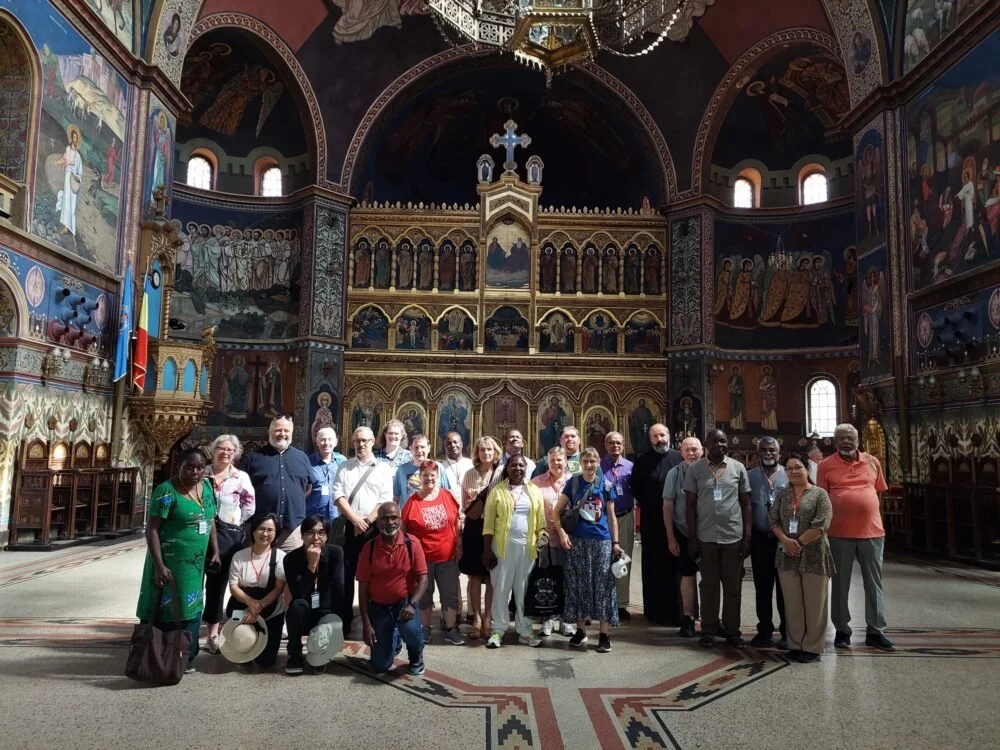
Alongside the formal programme, delegates explored the history and culture of the Transylvania region through visits to local churches and villages. Highlights included a tour of a fortified church built in 1495 in the village of Cristien and a visit to Sibiel, a traditional Saxon village, where delegates learned about the region's Orthodox Christian heritage.
Reflecting on the experience, Alison said the conference reinforced both the diversity and unity of the global Church.
"There are many similarities between rural churches around the world," she said. "Despite the differences in our circumstances, we were continually reminded that we are all beloved children of God."
The International Rural Churches Association is a global network that supports and encourages ministry in rural communities through shared learning, relationship-building and advocacy.
